
Carbon Filtration for Better-Tasting Water
Remove the chlorine taste and smell from city water at every tap. Carbon filtration is one of the simplest ways to make your water taste and smell fresh.
- American-made
- Licensed plumber installs
- No contracts
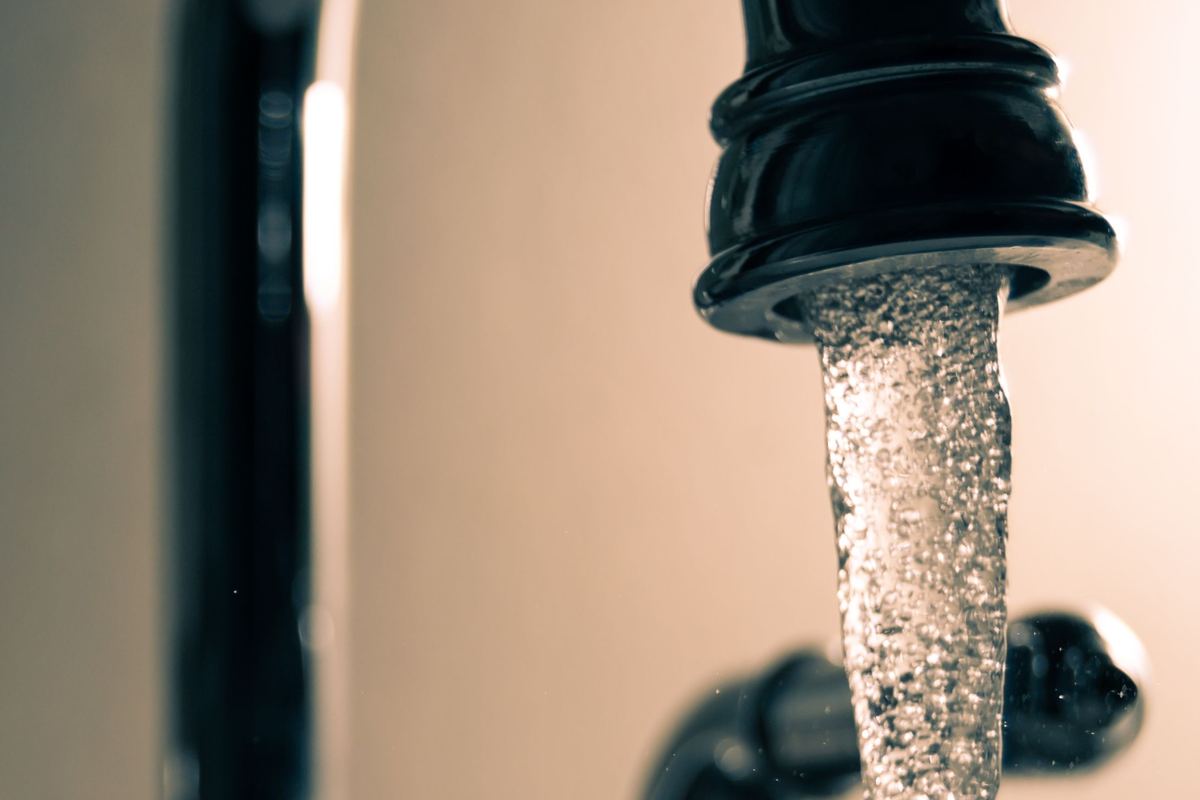
What does a carbon filter do? Activated carbon traps chlorine, chloramine, and many organic compounds that cause bad taste and odor. A whole house carbon filter treats every tap, including showers.
Carbon Filtration: what to know
How carbon filtration works
Activated carbon has a huge surface area that attracts and holds chlorine and many organic compounds as water flows through it. Catalytic carbon is used for chloramine, which many cities use instead of chlorine.
Carbon and softening together
Carbon filtration fixes taste and odor, but it does not remove hardness. Many city water homes pair a carbon filter with a softener for the best result.
Long-lasting media
Whole house carbon systems are designed to last years before the media needs replacing, depending on your water use and chlorine levels.
Signs you may need this
- Pool smell or tasteThe tell-tale sign of chlorine in city water.
- Earthy or musty tasteOrganic compounds that carbon is good at removing.
- Dry skin and hairChlorine in shower water can be harsh.
- Kids who won't drink tap waterBetter taste often means more water and fewer sugary drinks.
Why homeowners choose Element
- American-madeEquipment manufactured in Wisconsin, not generic imports.
- Licensed plumberEvery install done to code by a licensed plumber.
- No sales pitchFree phone consultation. No commissioned salespeople.
- No contractsUpfront pricing, and you own your system outright.
Get your free water consultation
Tell us your water source and what you're noticing. A local water specialist will call you back, usually the same day, with a clear recommendation and upfront pricing.
- No in-home sales pitch
- No obligation, no pressure
- Answers from a real person, not a call center
Request a call back
Tell us a little about your water. We'll call you back with a recommendation.
Request received
Thanks! A water specialist will call you shortly. Need us sooner? Call (217) 555-0123.
Carbon Filtration FAQ
Does carbon remove chloramine?
Standard carbon is slow with chloramine. Catalytic carbon is designed for it, and we'll recommend the right type for your city.
Is carbon filtration enough for well water?
Usually not by itself. Wells typically need iron and sulfur removal first.
Does it soften water?
No. Carbon improves taste and odor. A softener is needed for hardness.
How long does carbon last?
Whole house carbon media commonly lasts several years, depending on water use.
What is activated carbon?
Activated carbon is a highly porous material, often made from coconut shells or coal, that traps chlorine and many organic compounds as water passes through it.
What is catalytic carbon?
Catalytic carbon is a specially treated carbon that removes chloramine much more effectively than standard carbon. It's the right choice if your city uses chloramine.
How do I know if my city uses chlorine or chloramine?
Your water utility's annual water quality report lists the disinfectant it uses. We can also help you look it up during your consultation.
Does carbon remove fluoride?
Standard carbon removes very little fluoride. Reverse osmosis is the better option if you want to reduce fluoride in drinking water.
Does carbon filtration remove bacteria?
No. Carbon improves taste and odor but isn't designed to disinfect water. City water is already disinfected, and wells with bacteria need different treatment.
Can carbon remove pesticides and herbicides?
Activated carbon can reduce many organic chemicals, including some pesticides and herbicides. For drinking water, reverse osmosis adds another layer of protection.
Does a carbon filter remove the rotten egg smell?
Carbon can handle very light sulfur odors, but stronger hydrogen sulfide in well water needs an air-injection or oxidizing filter.
What's the difference between a pitcher filter and whole house carbon?
A pitcher filters a small amount of drinking water. A whole house carbon system treats every tap, including showers and laundry, and lasts much longer between changes.
Will carbon filtration change my water pressure?
A properly sized system has little effect on water pressure.
Do I need carbon filtration with a softener?
On city water, the combination is common: the softener handles hardness, and the carbon removes chlorine taste and odor.
How often is carbon media replaced?
Whole house carbon media often lasts several years, depending on your water use and chlorine level. We'll give you an expected schedule.
Is carbon filtration good for well water?
It can help with taste and organic compounds, but wells usually need iron, sulfur, and hardness addressed first.
Carbon Filtration near you
We install carbon filtration systems across Central Illinois and the Lafayette, Indiana area.
- Danville
- Champaign-Urbana
- Bloomington-Normal
- Lafayette
- Rantoul
- Mahomet
- Paxton & Gibson City
- Hoopeston
- Watseka
- Paris
- Covington & Attica
Other services
Water the way it should be.
Book a free consultation and get a clear recommendation with upfront pricing, usually the same day.